GLP-1 Drugs Are Changing Eating Habits and Impacting Food Industry Revenue
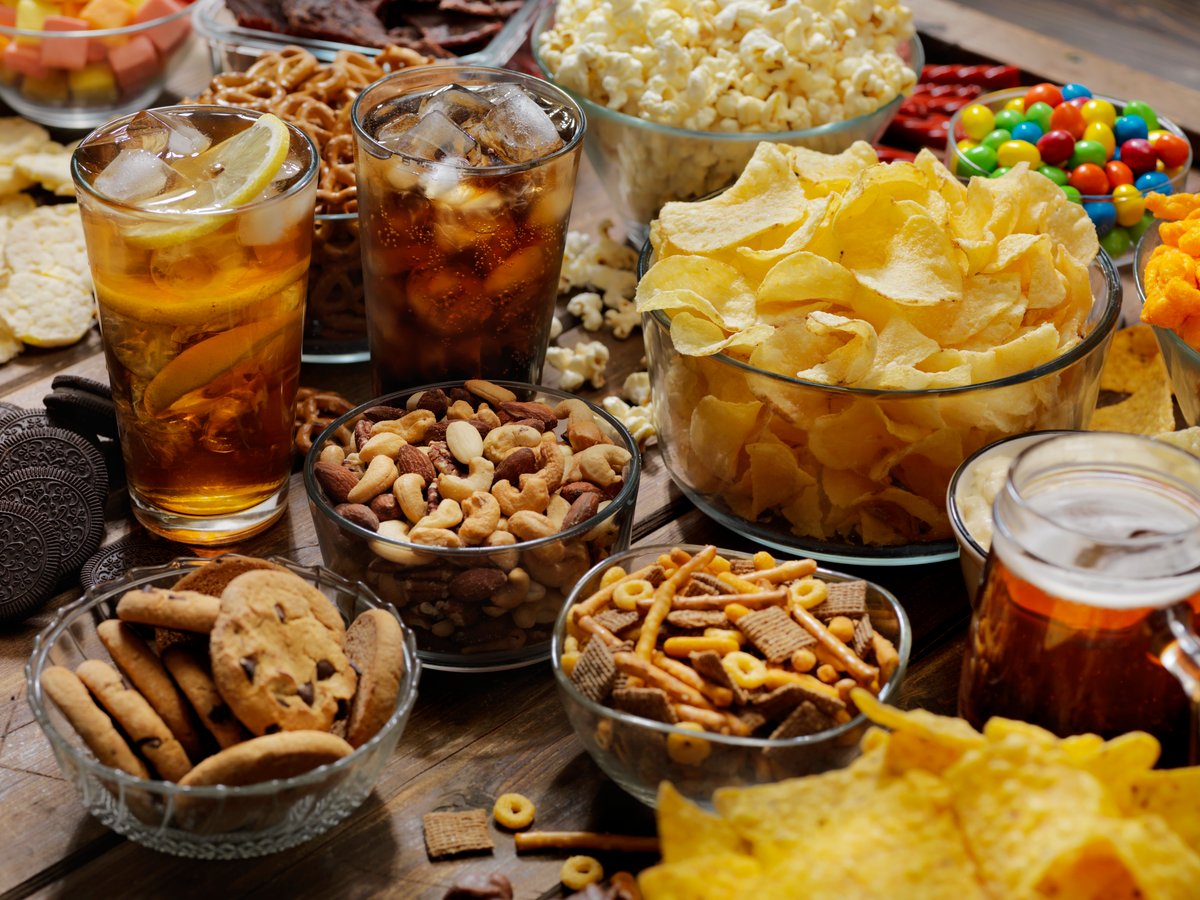
The rapid adoption of GLP-1 drugs like Wegovy and Zepbound is significantly altering consumer eating habits, with usage in the U.S. nearly quadrupling since 2024 to affect 11% of adults this year. These medications reduce appetite effectively, contributing to a decline in adult obesity rates from 39.9% in 2022 to 36.8% by mid-2026. Analysts predict that usage will continue rising, with J.P. Morgan forecasting up to 25 million Americans on GLP-1 treatment by 2030. As a result of reduced appetite and caloric intake among users, grocery spending has declined significantly—by an average of 5.3% within six months for GLP-1-using households—and snack food sales are particularly affected. A study found that savory snacks, sweets, baked goods, and cookies saw the largest drops in consumer spending. J.P. Morgan estimates this trend could lead to a $30 billion–$55 billion annual revenue loss by 2034 for the broader food and beverage industry. Drugmakers Eli Lilly (LLY) and Novo Nordisk (NVO), which produce leading GLP-1 drugs, are major beneficiaries of this shift. Tirzepatide-based products from Lilly generated $36.5 billion in 2025 revenue, while Wegovy and Ozempic together brought in $31 billion for Novo Nordisk.
Topics: consumer behavior GLP-1 drugs obesity rates snack food sales Wegovy Zepbound