Solar Power Brings Economic Opportunity to Remote Amazon Community in Brazil
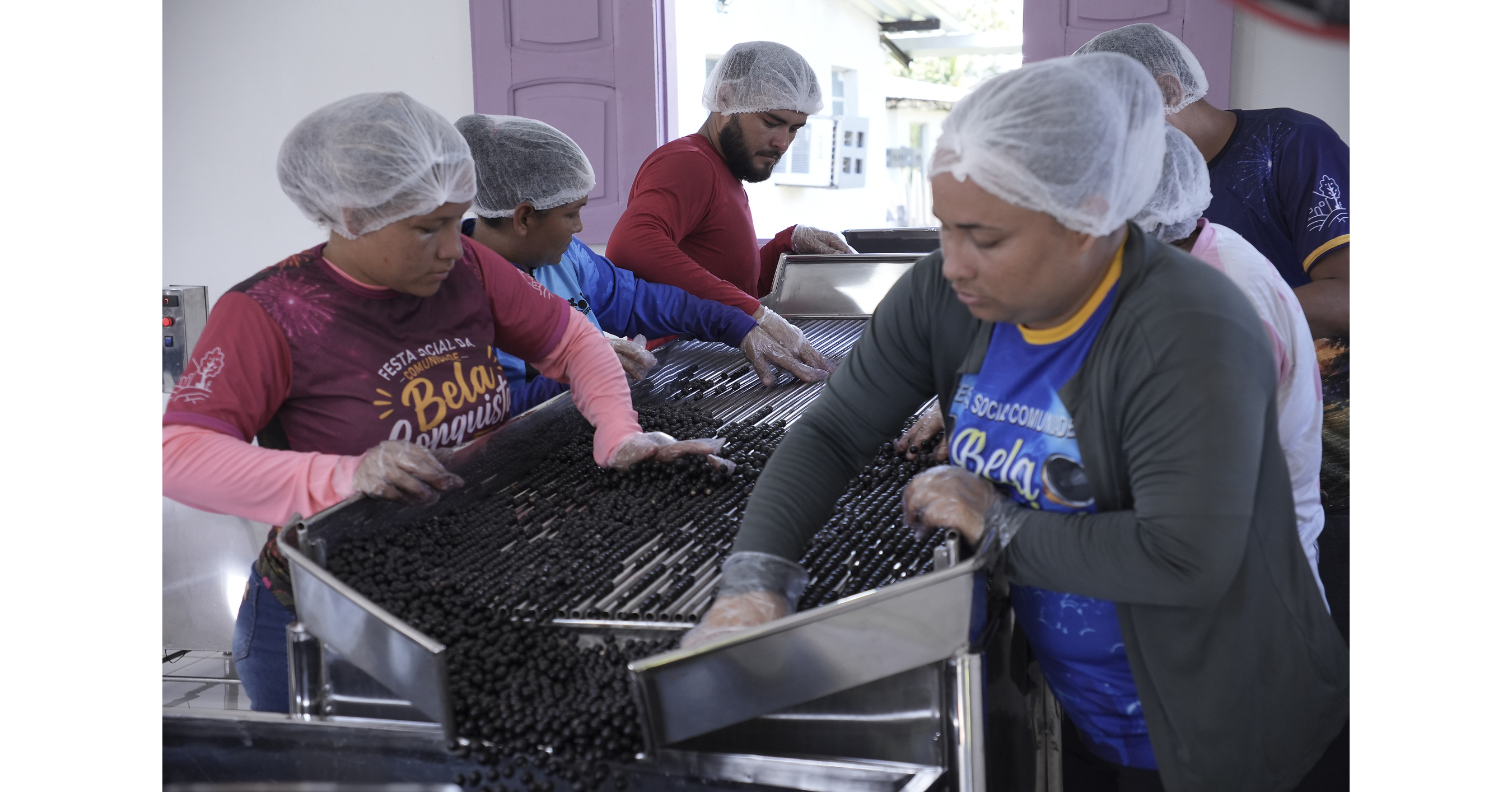
A solar mini-grid has been installed in Bela Conquista, a remote community within the Brazilian Amazon, enabling reliable clean electricity for local businesses and infrastructure. The project supports an açaí processing facility that had previously struggled due to unstable diesel-based power supply. With this new energy source, the community can now process up to 36K liters of açaí annually, reducing fruit losses and increasing household incomes. This initiative is part of a broader effort by FAS and Global Energy Alliance in partnership with Brazil's Ministry of Mines and Energy to scale similar projects across 20 pilot sites over the next two to three years. The project serves as a model for integrating renewable energy into remote communities, supporting economic development while preserving forest-based livelihoods. It is expected to avoid significant diesel use and CO2 emissions annually. The initiative aligns with Brazil's broader goal of expanding electricity access in the Amazon region where nearly one million people still lack power. Community leaders emphasize that reliable energy has been a key barrier to local business growth, particularly for value-added agricultural products like processed açaí pulp.
Topics: Amazon rainforest bioeconomy community development renewable energy solar power