U.S. Government Lab Investigates Security Risks from Chinese-Made Lidar Sensors
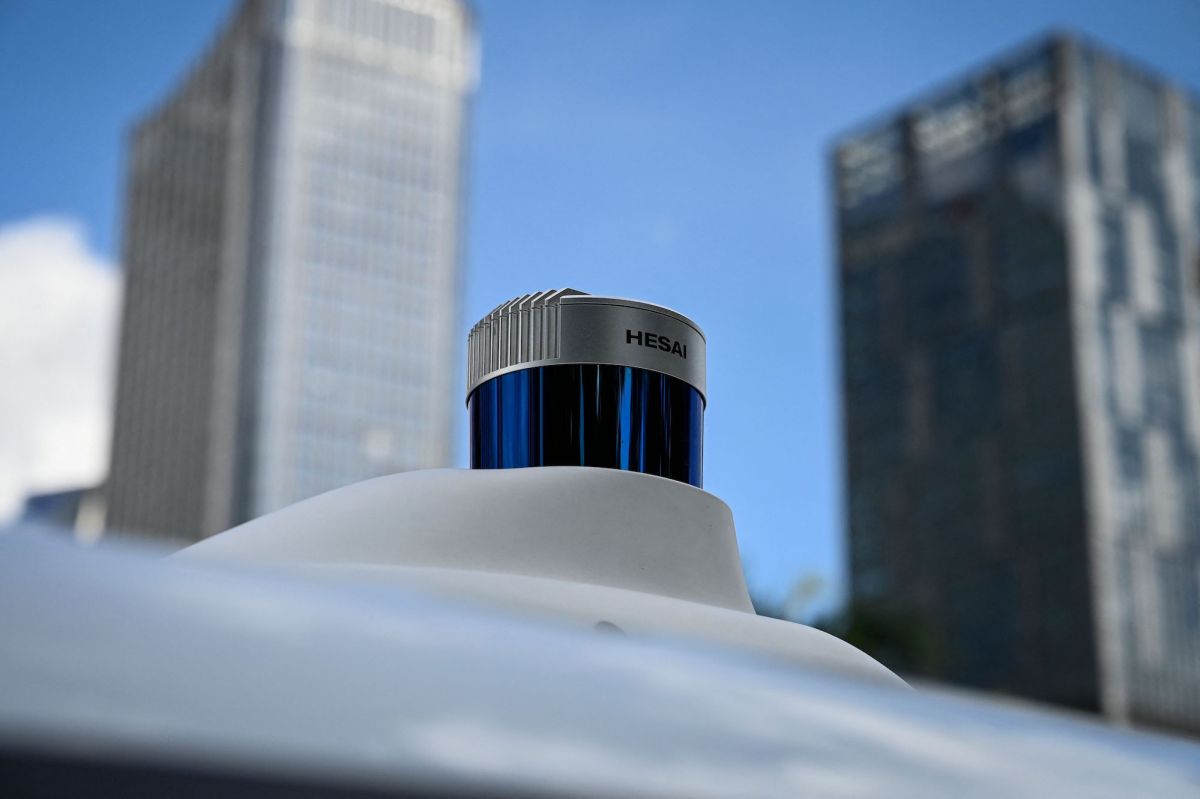
The U.S. Department of Energy's Idaho National Laboratory is conducting a review to assess whether Chinese-made lidar sensors could pose cybersecurity or espionage risks if widely adopted in American vehicles, according to two anonymous sources familiar with the effort. The research is reportedly funded by one or more companies in the electric and autonomous vehicle industries, though it remains unclear which firms are involved. Major automakers like Rivian, General Motors, Ford, Lucid Motors, Nuro, Uber, and others said they were unaware of the review. The investigation comes amid growing legislative pressure to ban Chinese lidar on U.S. roads due to national security concerns. Senators Tammy Baldwin (D-WI) and Ted Budd (R-NC), as well as Congressman John Moolenaar (R-MI), have introduced bills targeting these sensors, citing fears of espionage or data exfiltration back to China. Innoviz CEO Omer Keilaf highlighted potential cybersecurity risks such as mass sensor disablement or unauthorized transmission of detailed environmental data collected by lidar. The review could influence future policy and industry decisions regarding the use of Chinese lidar in autonomous vehicles, with implications for supply chain security and U.S.-China tech tensions.
Tickers: $AUR $F $GM $HSAI $LCID $NVDA $RIVN $UBER
Topics: autonomous vehicles China lidar security risk U.S. policy